
Sustainable construction in practice
Sustainable construction is about planning, designing, constructing, using and managing buildings in ways that minimise negative impacts on the environment and climate, while creating long-term economic and social value. Here, we explain how it works.
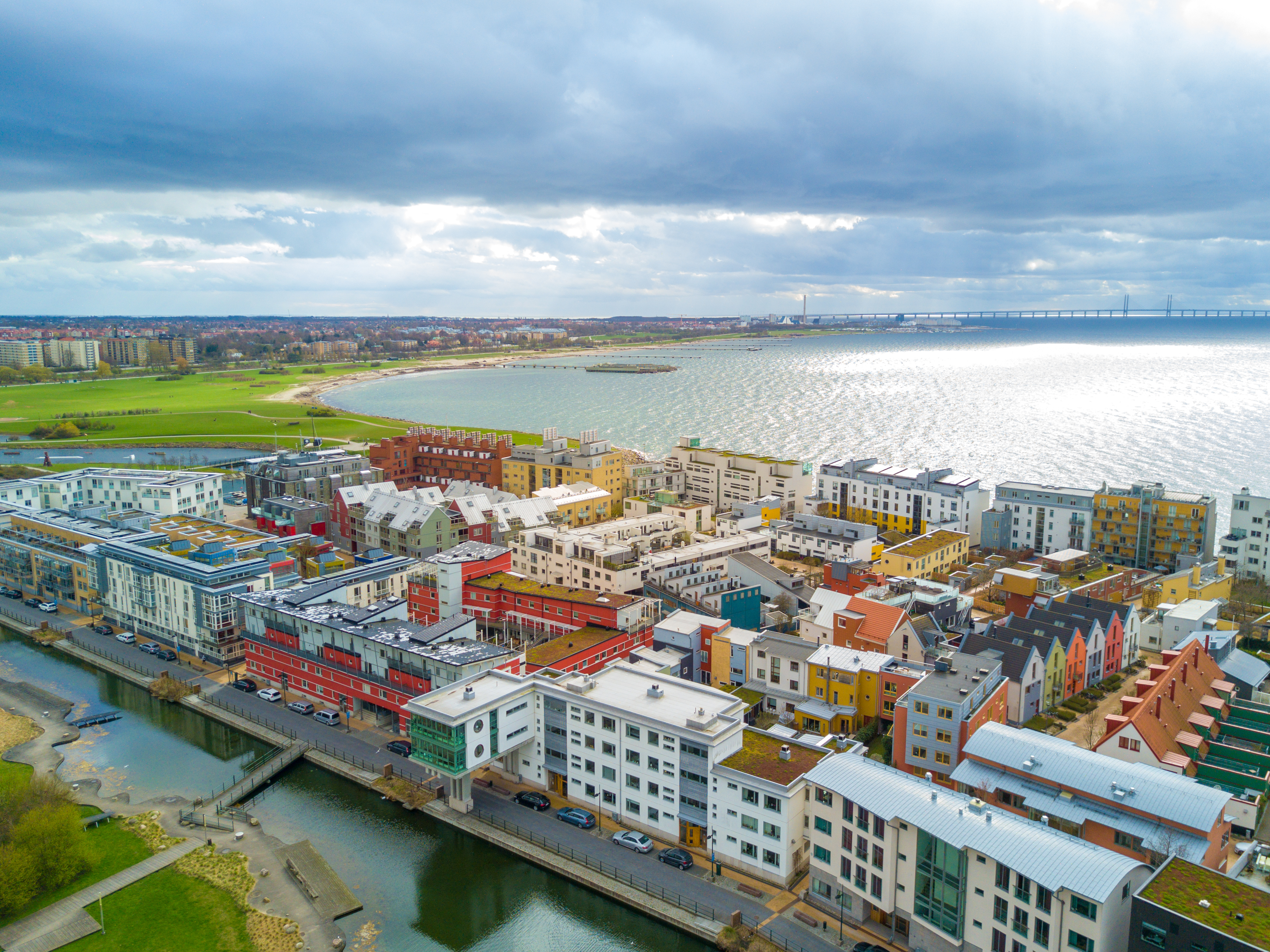
In practice, this means considering the entire life cycle of a building, from raw material extraction and material production to operation, maintenance, renovation and, ultimately, reuse or recycling. Sustainable construction is therefore about much more than energy-efficient buildings. It also includes material choices, chemical content, resource efficiency, climate impact, biodiversity, and human health and well-being.
Climate impact throughout the life cycle
A fundamental principle of sustainable construction is the life cycle perspective. For many years, the construction sector focused primarily on energy use during a building’s operational phase. However, as buildings have become more energy efficient, the climate impact of construction materials and building processes has become increasingly important.
A sustainable construction project therefore considers both operational energy use and what is known as embodied carbon, meaning emissions generated during the production of materials such as steel, concrete, insulation and other construction materials. Life cycle assessments (LCA) can be used to compare different construction solutions and identify alternatives with a lower climate impact.
In practice, this may involve optimising structures to reduce material use, using concrete with a reduced climate impact, choosing recycled steel or increasing the use of renewable materials such as timber where appropriate.
Sustainable material choices
Material selection is an important aspect of sustainable construction. A sustainable material should not only have a low climate impact but also be safe from a health and environmental perspective. This means that the construction sector is increasingly working to phase out hazardous chemical substances from construction products. Examples of substance groups that often receive particular attention include carcinogenic, reprotoxic and endocrine-disrupting substances, as well as substances of very high concern under the REACH Regulation.
In Sweden, systems such as the BASTA-systemet are used to identify and select construction products that meet stringent requirements for chemical content. By setting material requirements as early as the design phase, future risks to people and the environment can be reduced while improving opportunities for reuse and recycling.
Sustainable material selection is also about durability and service life. Materials that last longer and require less maintenance can often have a lower environmental impact over the building’s entire life cycle.
Energy-efficient buildings
Energy efficiency remains one of the most important aspects of sustainable construction. The aim is to reduce energy use without compromising the comfort of the people using the building.
In practice, this can be achieved through well-insulated building envelopes, energy-efficient windows, smart ventilation with heat recovery, energy-efficient lighting and control systems that optimise energy use.
An increasing number of buildings are also equipped with energy solutions such as solar panels, energy storage and heat pumps. Combining energy efficiency with renewable energy production can significantly reduce a building’s carbon footprint. Digitalisation is also playing an increasing role. Modern buildings can be monitored and controlled in real time to help keep energy use at an optimal level throughout the operational phase.
Circular construction and reuse
One of the strongest trends in sustainable construction is the transition from a linear to a circular economy. Traditionally, the construction sector has followed a “take, make and dispose” model, in which large quantities of materials become waste when buildings are demolished or renovated.
Circular construction instead aims to retain the value of materials and products for as long as possible. In practice, this means designing buildings for disassembly, reusing construction products and creating material flows that allow resources to circulate between different projects.
Examples include the reuse of steel beams, doors, glazed partitions, ventilation equipment and installation systems. Reusing products reduces the need for new material production, which can in turn reduce climate impact. Good documentation of product content and properties is essential to enable this. Digital product passports are expected to play an important role in the future construction sector.
A healthy indoor environment
Sustainable construction is also about human health and well-being. A building should not only be energy efficient and have a low climate impact, but also provide a healthy environment for the people who use it.
A good indoor environment involves several factors, including air quality, temperature, daylight, acoustics and the chemical content of materials. Poor ventilation or emissions from construction products can negatively affect human health and may contribute to allergies or other health problems.
By choosing construction products with low emissions, ensuring good ventilation and creating bright and comfortable environments, buildings can contribute to better health, well-being and productivity.
Sustainable construction sites
Sustainable construction also includes the construction process itself. Construction sites generate emissions through transport, machinery and material waste.
In practice, many construction companies are working to electrify machinery, use fossil-free fuels and improve logistics to reduce emissions. Material waste can be reduced through better planning, digital tools and increased use of prefabrication.
Occupational health and safety are also important aspects of sustainability. Safe and healthy workplaces contribute to the social dimension of sustainable construction.
Certifications and environmental assessments
Various certification systems are often used to help ensure that sustainability objectives are met. Examples include Miljöbyggnad, LEED and BREEAM. These systems assess buildings based on several aspects, such as energy use, climate impact, material choices, indoor environment and water use.
Certifications can serve both as management tools and as evidence of quality for developers, property owners and investors.
Environmental Product Declarations (EPDs) are also increasingly used to report the climate and environmental impacts of construction products and provide better information for material selection.
New regulatory requirements are driving development
The transition towards sustainable construction is driven not only by voluntary initiatives but also by legislation. The EU Green Deal, the EU Taxonomy for sustainable activities, construction product regulations, energy-efficiency requirements and new reporting requirements all have a significant impact on the construction sector.
Sweden has also introduced climate declarations for new buildings, requiring developers to report the climate impact associated with certain stages of construction.
At the same time, the EU’s Ecodesign for Sustainable Products Regulation (ESPR) is paving the way for digital product passports for many product groups. These regulatory frameworks create incentives for companies to measure, document and reduce their environmental and climate impact.
To view data for a specific product, find it using our open search tool. Open the product entry to see its data and the requirements it meets.